Imagine you're chatting with an AI assistant. You ask it a complex question, and rather than giving you vague, generic advice, it offers a detailed, accurate response grounded in real-world facts. The secret behind such a feat? Retrieval-Augmented Generation (RAG).
But what exactly is RAG, and why is it revolutionizing how AI systems work? Let’s break it down.
The Foundations: What is RAG?
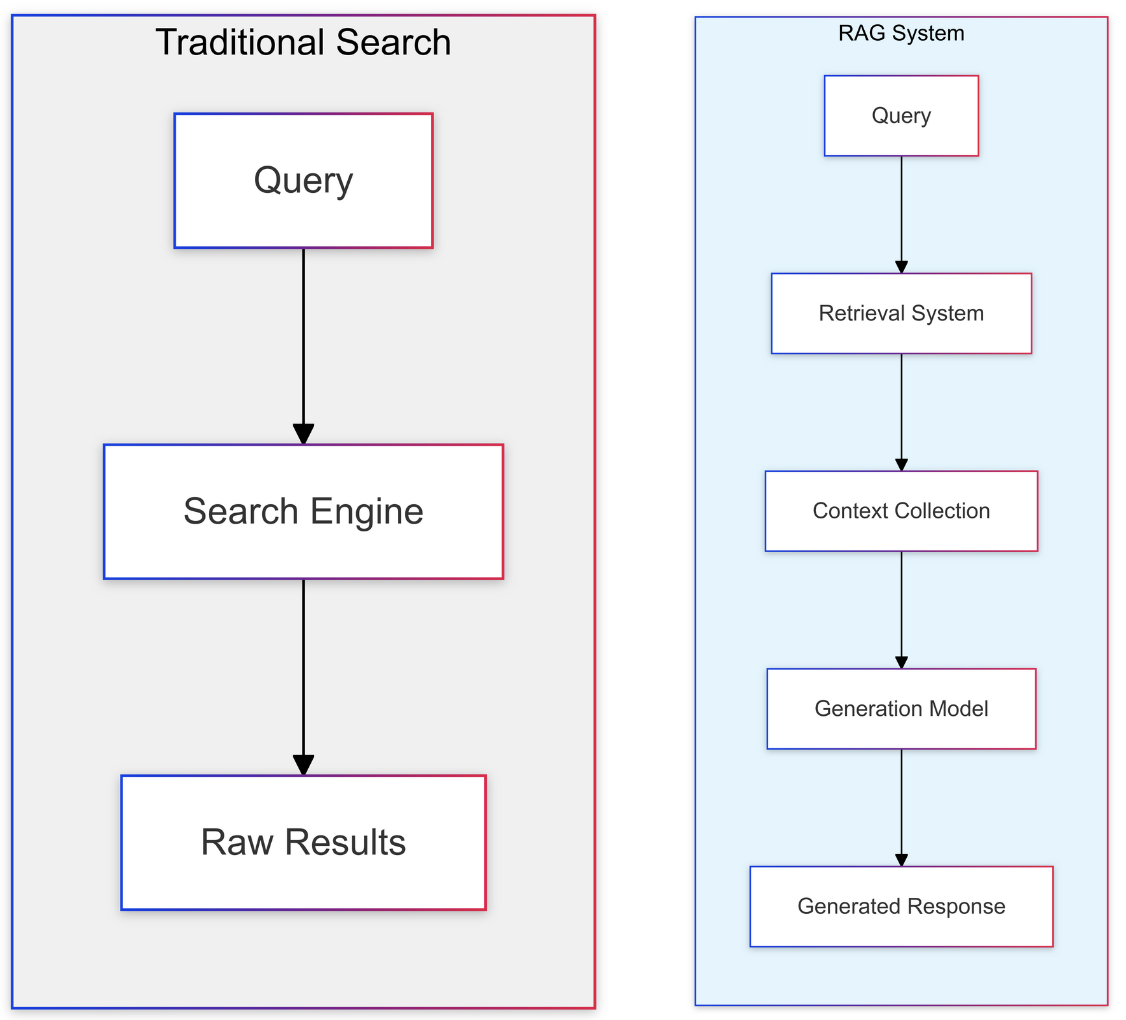
At its core, RAG is a marriage of retrieval systems and generative models. Traditional generative AI, like GPT, is powerful but sometimes "hallucinates" (i.e., confidently generates incorrect or nonsensical answers). To combat this, RAG integrates a retrieval step: before generating an answer, the model searches a database or knowledge base for relevant information.
 Enlarge ↗
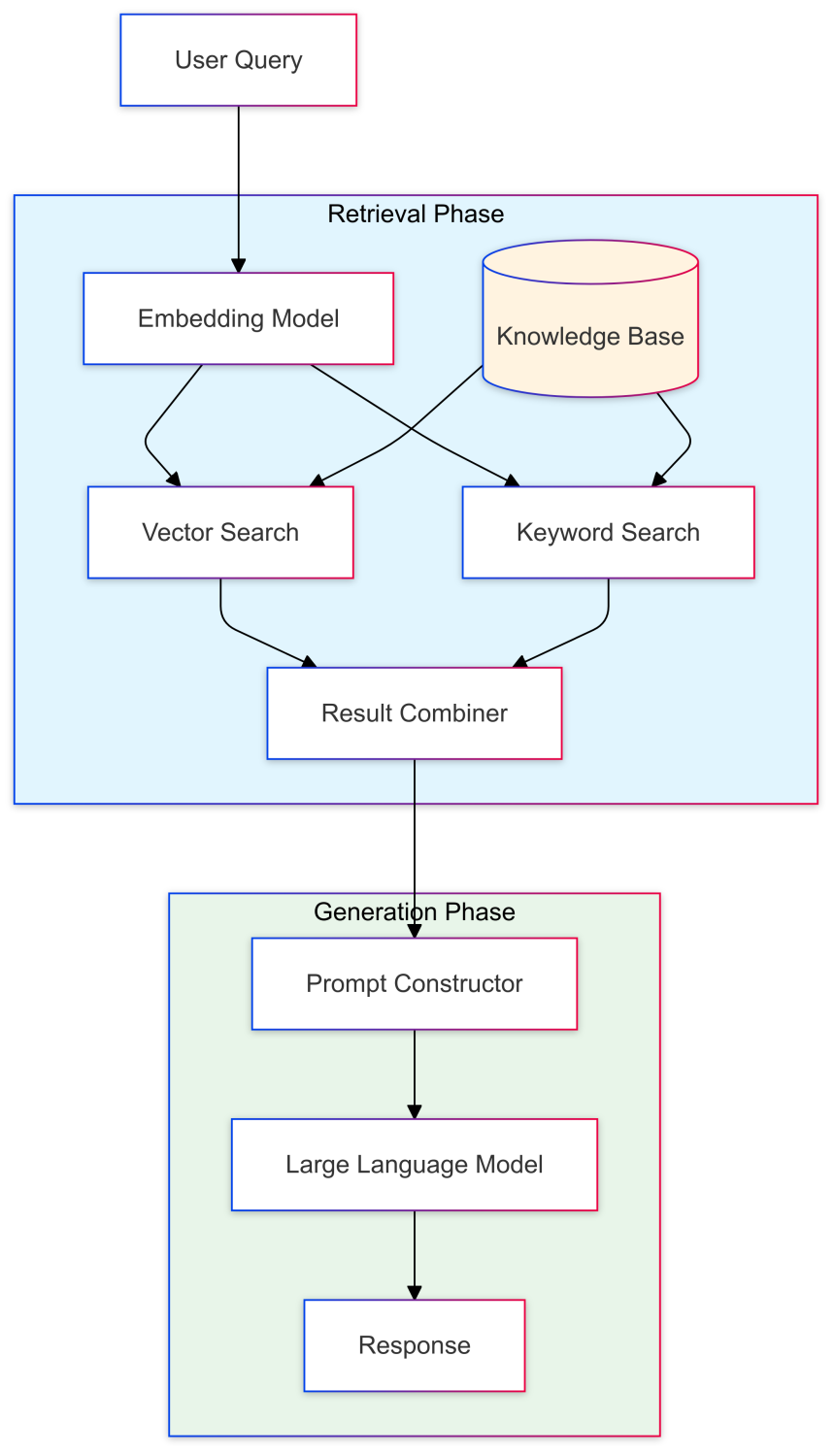
It works like this:
1. Retrieval Phase: The system fetches snippets of information (e.g., documents, FAQs, or even proprietary business data) relevant to the user's query.
2. Generation Phase: Using the retrieved information as context, the generative model produces a coherent, fact-based response.
 Enlarge ↗
This combo ensures the AI benefits from the creativity of generative models while anchoring answers in verified data.
Why Does RAG Matter?
RAG isn't just a theoretical concept—it’s transforming industries by addressing key challenges in AI:
- Accuracy: Reducing hallucinations ensures users get reliable, data-driven answers.
- Personalization: Systems can retrieve user-specific or organization-specific data for tailored responses.
- Scalability: It’s highly adaptable, making it applicable to customer support, healthcare, e-commerce, and more.
A great analogy is how humans write essays. First, we gather relevant books or articles (retrieval), and then we synthesize this information into an original piece (generation).
Techniques for Retrieval in RAG
Let’s dive into the mechanics. The effectiveness of RAG heavily depends on the quality of its retrieval component. Here are some common techniques:
1. Vector Search and Embeddings
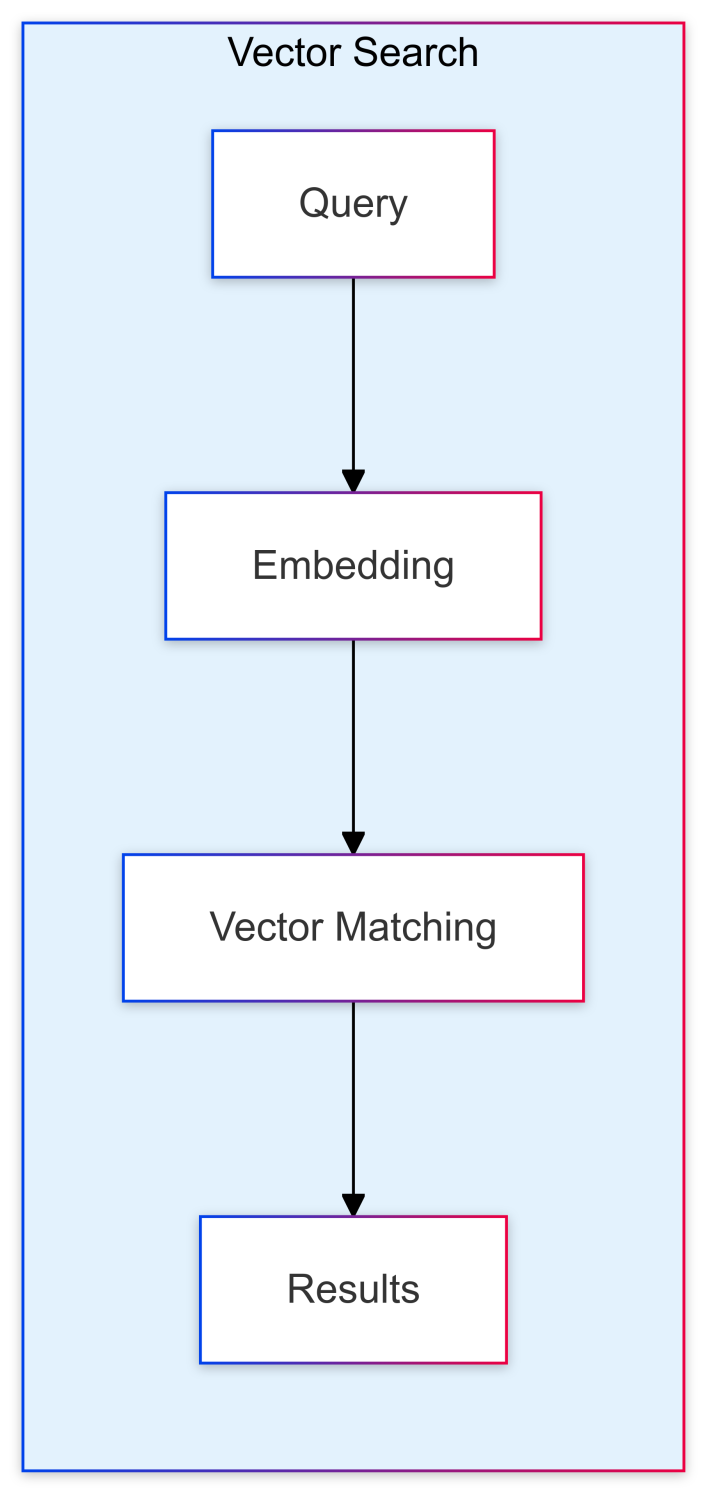
Generative models convert text into dense numerical representations, called embeddings. These are like unique fingerprints for pieces of information. A vector database (e.g., Pinecone, Milvus) helps match the user query embedding with the closest related content.
Imagine asking about climate change. Instead of scanning billions of documents line-by-line, vector search instantly narrows down the ones that semantically match.
 Enlarge ↗
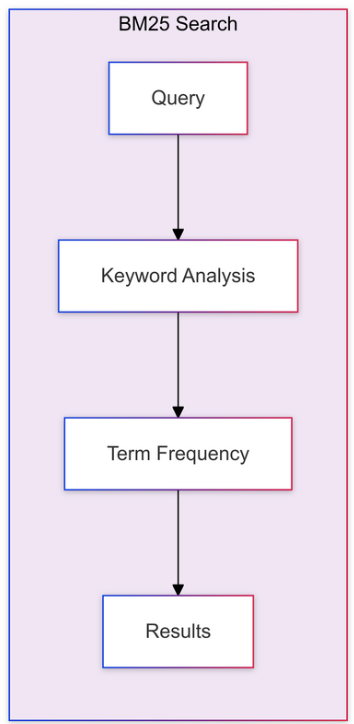
2. BM25 (Boolean Model 25)
A traditional and widely-used ranking algorithm, BM25 evaluates how often terms appear in documents, weighing them by importance. While less nuanced than vectors, it’s lightning fast and great for structured queries like "find all mentions of 'policy X' in 2024 meeting notes."
 Enlarge ↗
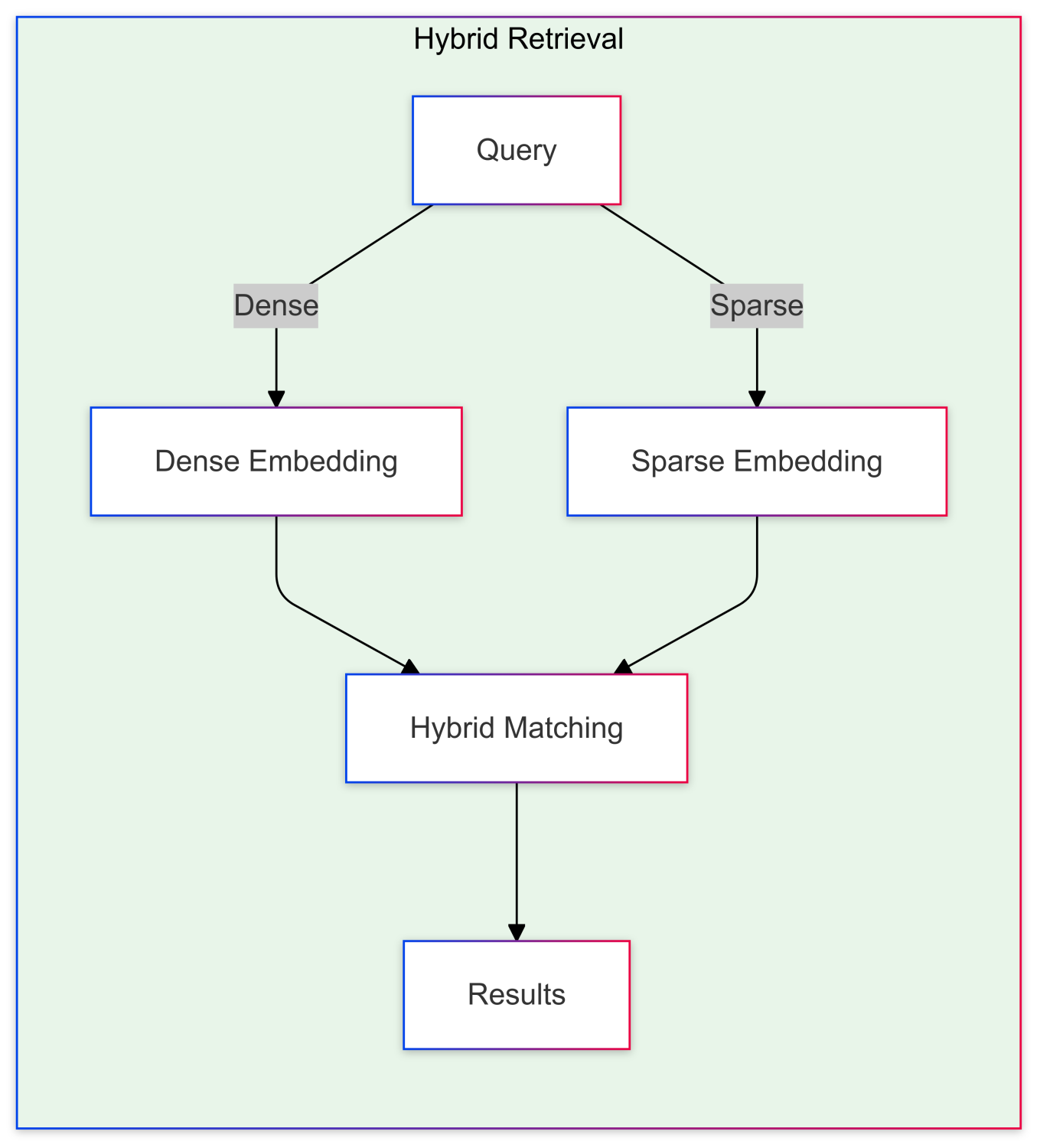
3. Hybrid Retrieval
Why choose between BM25 and embeddings? Hybrid retrieval combines the best of both, using dense embeddings for semantic matching and traditional keyword techniques for precision.
 Enlarge ↗
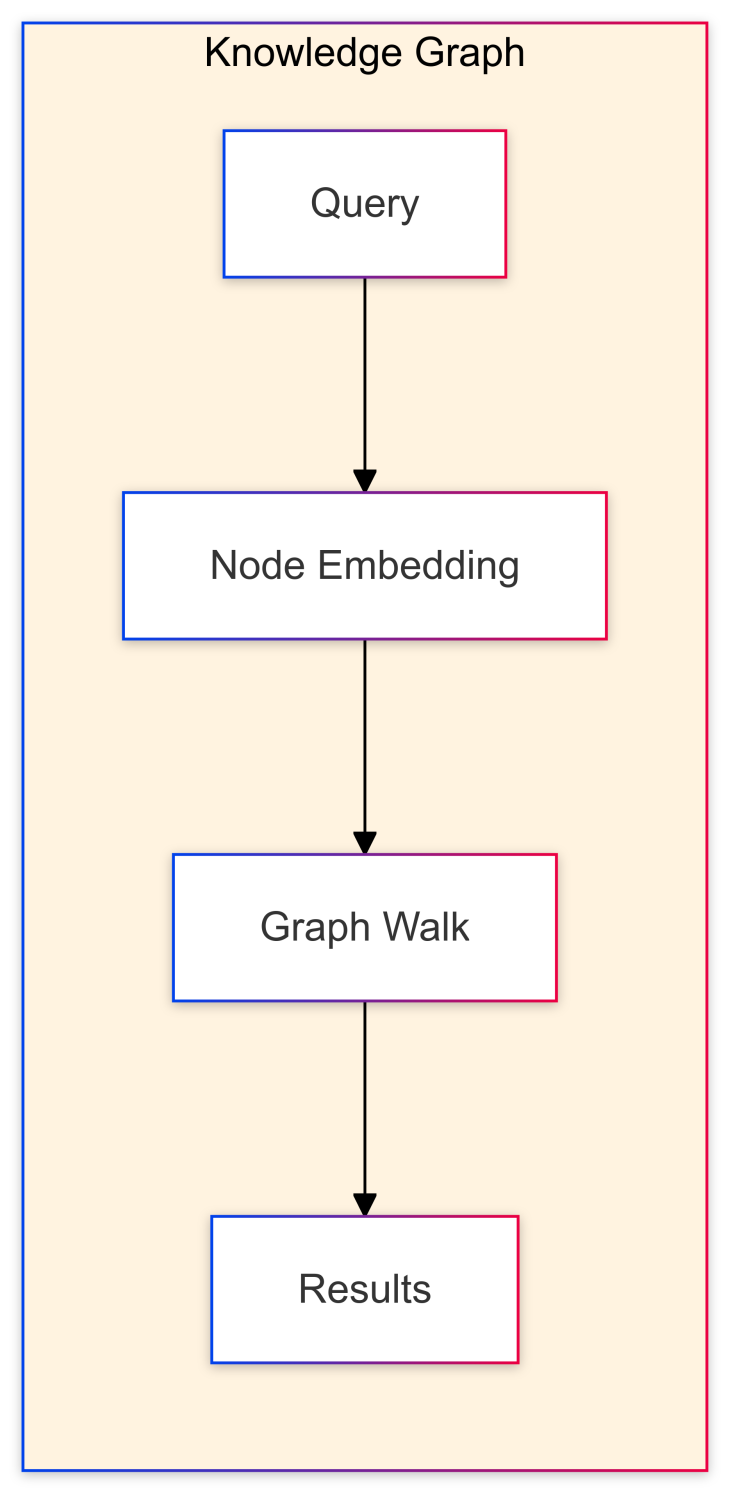
4. Knowledge Graphs
Knowledge graphs link information into interconnected nodes, making them ideal for contextual understanding. For example, if you query "What did Einstein say about gravity?" a graph might link “Einstein” to “Theory of Relativity” and “general principles of gravity.”
 Enlarge ↗
The Role of Generative Models in RAG
After retrieval, models like GPT fine-tune the output to ensure it’s natural, clear, and human-like. Here's where clever techniques make a difference:
- Prompt Engineering: Constructing inputs that blend retrieved data seamlessly into the generation.
- Chain of Thought (CoT) Reasoning: Models explain their reasoning step-by-step, ensuring transparency.
- Context Limit Management: Advanced RAG systems selectively compress or summarize data to fit within token limits of models like GPT-4.
Real-World Applications of RAG
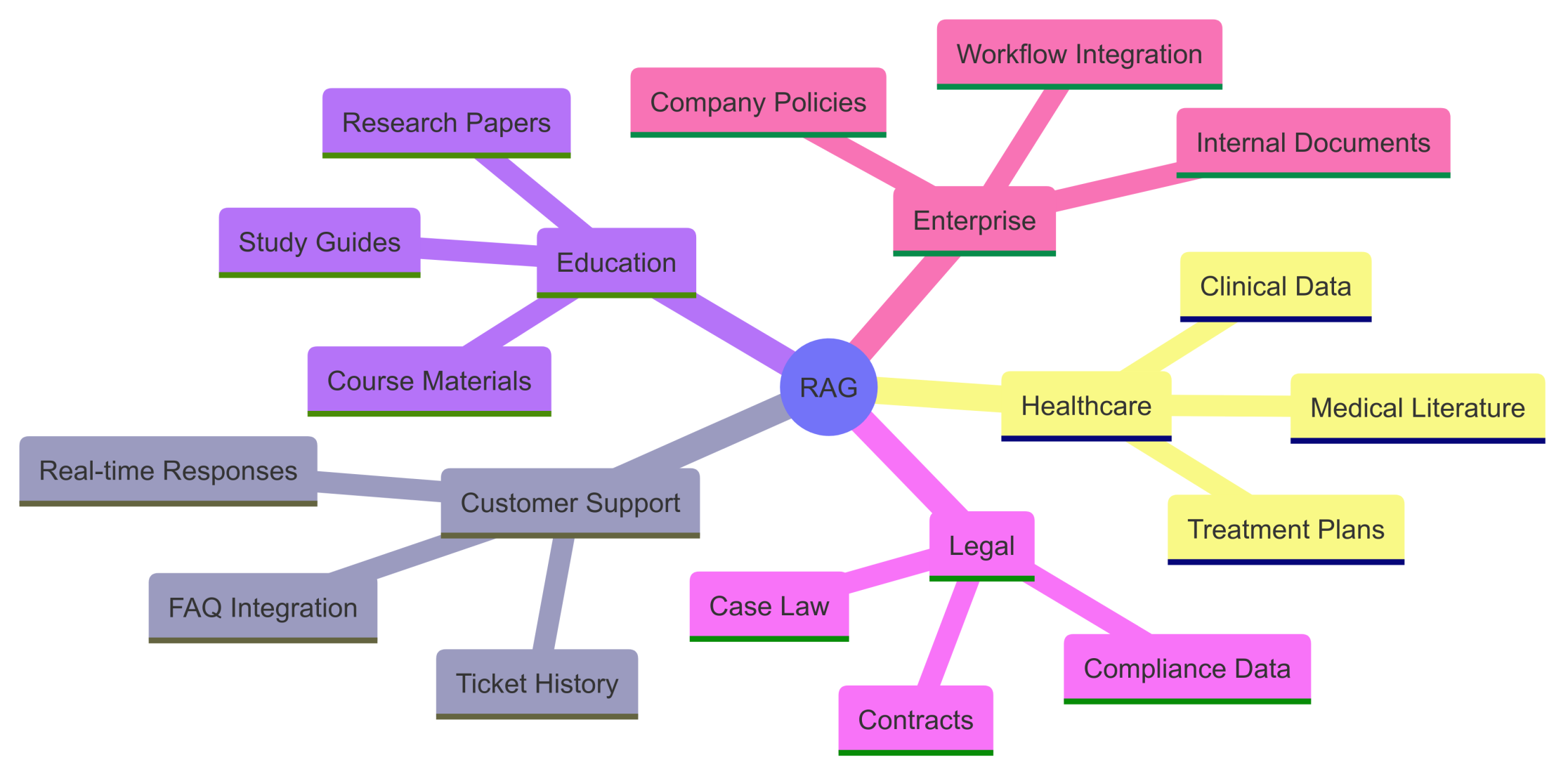
The versatility of RAG makes it indispensable across industries:
- Customer Support: Bots fetch precise answers from documentation or ticket history, offering faster and better support.
- Healthcare: Systems assist doctors by retrieving clinical data for treatment plans while generating explanations.
- Education: Platforms guide students by synthesizing information from textbooks and research articles.
- Legal: AI assistants retrieve case law or contracts, helping lawyers draft documents efficiently.
For example, at an enterprise level, Microsoft Teams bots utilizing RAG integrate company policies into real-time conversational AI, enabling faster and smarter workflows.
 Enlarge ↗
Limitations and Challenges
While promising, RAG isn’t without its hurdles:
1. Data Quality: Garbage in, garbage out. Reliable responses rely on a clean and comprehensive knowledge base.
2. Latency: Searching external databases can slow response times without proper optimizations.
3. Scalability: As databases grow, ensuring efficient retrieval remains a technical challenge.
The good news? Innovations like real-time indexing and caching systems are addressing these gaps.
My Experience with RAG in Enterprise AI
I’ve seen firsthand how RAG can transform processes. For instance, in one project, we used RAG to supercharge a chatbot’s capabilities. By integrating organizational documents, databases, approval workflows, and policy FAQs, the bot offered precise answers within seconds—saving employees hours daily.
Key takeaway? RAG isn't just a buzzword—it’s a paradigm shift for making generative AI practical, reliable, and actionable.
Where Does RAG Go From Here?
The future of RAG is bright. As retrieval systems grow more sophisticated and generative models handle even more context, the line between search engines and conversational AI will blur further.
A Final Thought
RAG bridges the gap between “knowing” and “creating.” By combining retrieval’s precision with generative AI’s creativity, we’re not just building smarter systems—we’re creating tools that truly amplify human potential.
Do you see a use case for RAG in your field? Let’s discuss in the comments! What are your thoughts on its potential and challenges? 👇