Microsoft Research has just introduced a significant innovation in cloud operations: AIOpsLab, a comprehensive framework for developing and evaluating AI agents for autonomous cloud operations.
Why does this matter? In today's landscape, where companies increasingly depend on cloud architectures and microservices, operational complexity is growing exponentially. Ensuring five-nines availability (99.999%) has become a critical challenge that calls for robust, automated solutions.
Key Technical Innovations:
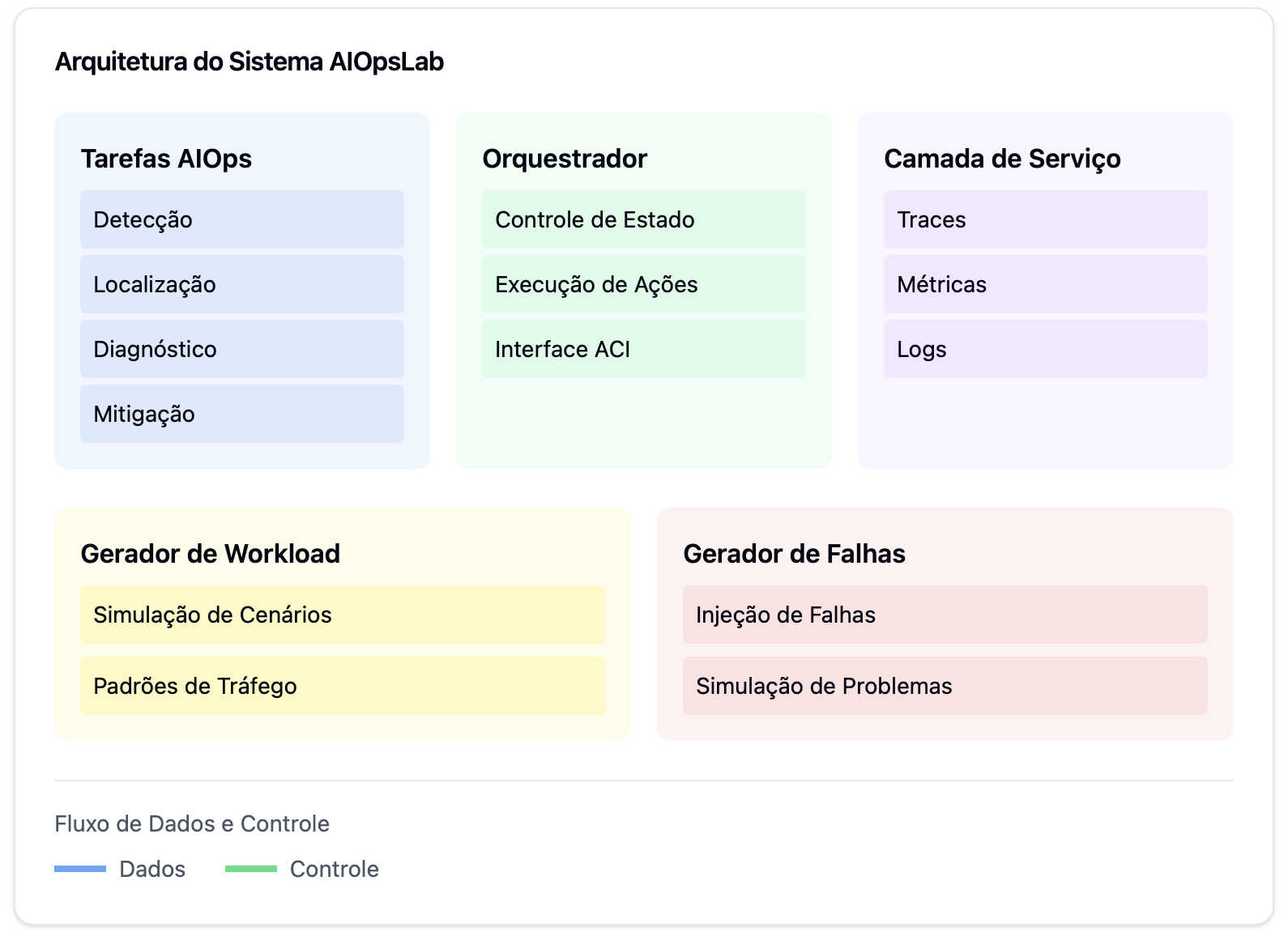
AIOpsLab introduces a modular architecture that includes:
- Agent-Cloud Interface (ACI): Enables clear separation between agents and services through an intermediary orchestrator
- Workload Generator: Simulates realistic failure scenarios and normal operations
- Fault Generator: Ability to inject faults at different levels of the system
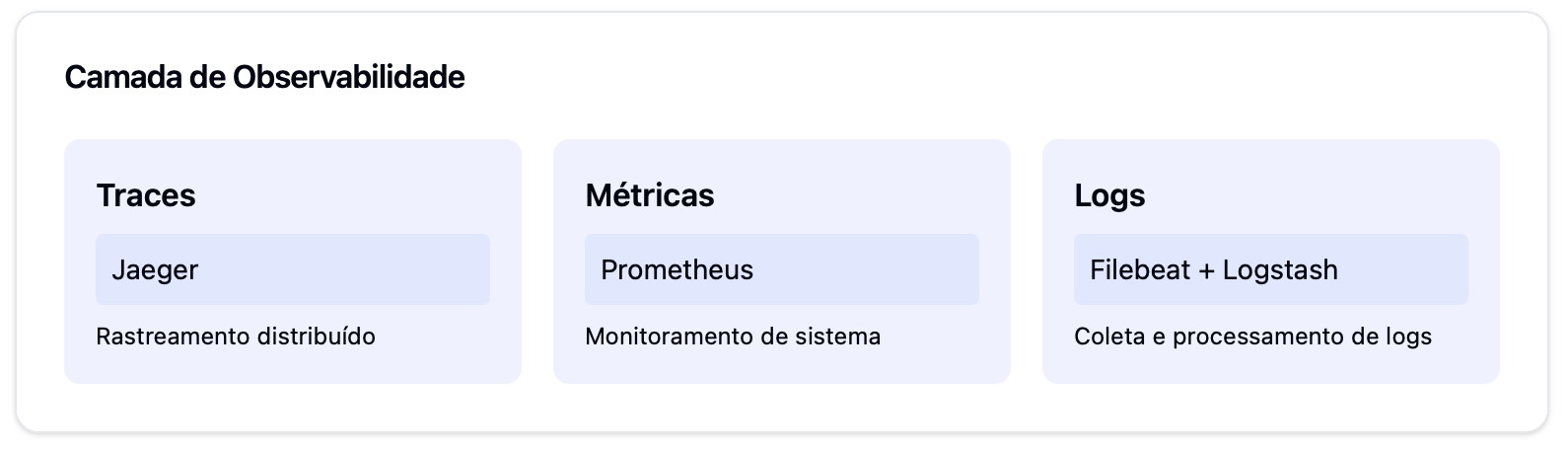
- Observability Layer: Comprehensive telemetry collection, including traces, logs, and metrics
 Enlarge ↗
 Enlarge ↗
The framework supports four fundamental tasks: incident detection, localization, root-cause diagnosis, and mitigation. It is compatible with popular frameworks such as React, Autogen, and TaskWeaver.
A practical application example: in a diagnostic scenario, the system can identify issues such as connection failures in microservices and automatically take corrective action, something crucial to maintaining service availability.
AIOpsLab represents progress in standardizing and automating cloud operations, offering:
- A reproducible environment for agent testing and development
- Standardized metrics for performance evaluation
- Flexibility to extend to new use cases
- An open-source framework
The code is publicly available on GitHub, allowing researchers and engineers to evaluate AIOps agents at scale. The work was accepted at SoCC'24 (ACM Symposium on Cloud Computing).
Reference:
https://www.microsoft.com/en-us/research/blog/aiopslab-building-ai-agents-for-autonomous-clouds/
GitHub:
https://github.com/microsoft/AIOpsLab/
#CloudComputing #AIOps #TechInnovation #CloudAutomation #DevOps